
Dry Eye Centre

Find Lasting Relief From Dry Eye Disease
Dry, burning, watery, or irritated eyes can make everyday activities like reading, driving, working on a computer, or enjoying time outdoors uncomfortable. Many people assume these symptoms are simply part of getting older or spending too much time on screens—but they are often signs of Dry Eye Disease.
At Bracebridge Family Eyecare, we take a different approach. Rather than simply recommending artificial tears, we identify the underlying cause of your symptoms and create a personalized treatment plan designed to improve your eye comfort and long-term eye health.
Whether you've struggled with dry eyes for years or you're experiencing frequent styes or chalazia, we're here to help.
Call us to book a Comprehensive Dry Eye Assessment today.
Do You Have Dry Eye?
Dry Eye Disease can affect anyone and often develops gradually. You may have dry eye if you experience:
Dryness or grittiness
Burning or stinging
Red or irritated eyes
Excessive tearing or watery eyes
Blurry or fluctuating vision
Light sensitivity
Contact lens discomfort
Tired or heavy-feeling eyes
Stringy mucus around the eyes
Frequent styes or recurrent chalazia
Even if your eyes water excessively, they may actually be suffering from dry eye.
What Causes Dry Eye?
Healthy tears contain a balance of water, oils, and mucus that work together to keep your eyes comfortable and your vision clear.
For many people, dry eye is caused by Meibomian Gland Dysfunction (MGD). These tiny oil glands, located along your eyelids, become blocked or stop producing healthy oils. Without this protective oil layer, tears evaporate too quickly, leading to irritation and inflammation.
Common contributors include:
Aging
Hormonal changes
Menopause
Screen use and reduced blinking
Contact lens wear
Ocular rosacea
Blepharitis
Autoimmune diseases
Certain medications
Previous eye surgery
Environmental factors such as wind, smoke, or dry air
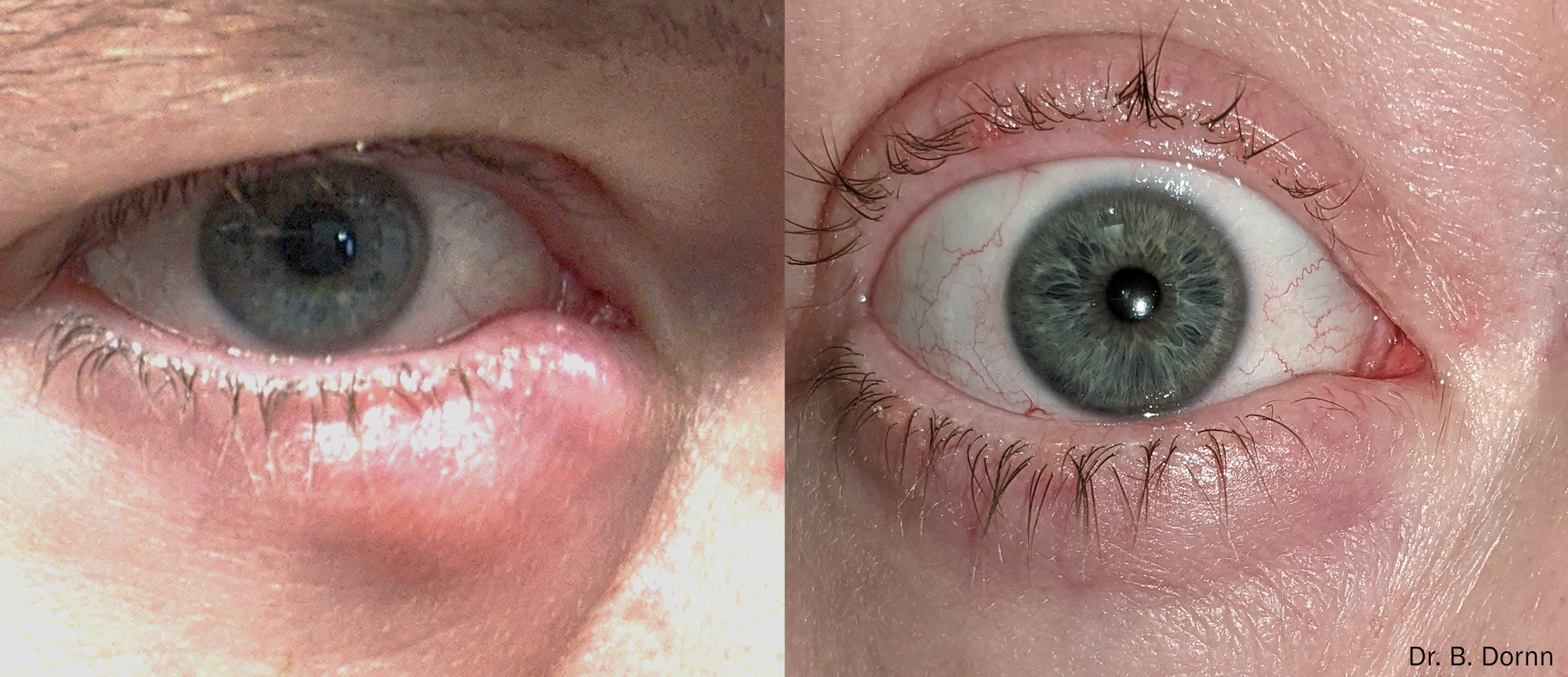
Recurrent Styes & Chalazia
If you develop styes or chalazia repeatedly, there is often an underlying cause.
Blocked meibomian glands can become inflamed, leading to painful styes or firm, persistent chalazia. While warm compresses may help temporarily, they often do not address the underlying gland dysfunction.
Our dry eye assessments evaluate the health of your eyelids and oil glands so we can treat the root cause—not just the individual stye or chalazion.
Many patients notice fewer recurrent episodes once their gland function has improved.
Why Eye Drops Aren't Always Enough
Artificial tears can temporarily relieve symptoms by adding moisture to the surface of the eye.
However, they usually do not address the underlying cause of Dry Eye Disease.
If blocked oil glands or chronic eyelid inflammation are contributing to your symptoms, additional treatments may be needed to restore healthier tear function and provide longer-lasting relief.
Our Comprehensive Dry Eye Assessment
Your assessment is designed to determine the underlying cause of your symptoms and develop a personalized treatment plan.
During your visit, we may evaluate:
Your symptoms and medical history
Tear quality and stability
Eyelid health
Meibomian gland function
Signs of inflammation
Blink quality
Ocular surface health
After your assessment, we'll discuss our findings and recommend the treatment options that are most appropriate for your eyes and lifestyle.
Personalized Treatment Options
Every patient is different.
Depending on your diagnosis, your treatment plan may include one or more of the following:
Artificial tears and lubricating drops
Prescription medications
Lid hygiene and eyelid cleansing
Warm compress therapy
Nutritional supplements
Lifestyle modifications
In-office advanced therapies
Our goal is to improve both your comfort and the long-term health of your eyelids and tear film.
Advanced In-Office Treatments
Lumecca-I IPL
Intense Pulsed Light (IPL) therapy uses precisely controlled light energy around the eyelids to help reduce inflammation associated with Meibomian Gland Dysfunction and ocular rosacea.
IPL may help:
Improve meibomian gland function
Reduce inflammation
Improve tear quality
Decrease eyelid redness
Reduce recurrent styes and chalazia
Improve long-term dry eye symptoms
Forma-I Radiofrequency
Forma-I uses gentle radiofrequency energy to warm the eyelids and surrounding tissues.
This treatment helps soften and improve the flow of oils from the meibomian glands while promoting healthier gland function.
Patients often appreciate that treatments are comfortable, relaxing, and require little to no downtime.
Frequently Asked Questions
-
Dry Eye Disease is typically a chronic condition, but with proper diagnosis and ongoing management, symptoms can often be significantly improved and controlled.
-
Most patients find treatments very comfortable. We'll explain every step before beginning and ensure you're comfortable throughout the procedure.
-
Treatment recommendations vary depending on the severity and underlying cause of your dry eye. Some patients improve with home care alone, while others benefit from a series of in-office treatments followed by maintenance therapy.
-
Yes. When recurrent styes or chalazia are related to Meibomian Gland Dysfunction, improving gland function and reducing eyelid inflammation can help decrease future episodes.
-
Coverage varies depending on your insurance provider and the services performed. Our team will review fees with you and answer any questions before treatment begins.
Ready to Feel Better?
You don't have to live with burning, watery, irritated eyes or frequent styes.
At Bracebridge Family Eyecare, we're committed to identifying the cause of your symptoms and providing personalized treatment options that help you see comfortably again.
Call us to book your Comprehensive Dry Eye Assessment today and take the first step toward healthier, more comfortable eyes.